
Unveiling the Importance of Social Skills for Autistic Children

“I wish someone had taught me those social skills growing up” murmured Leah, an autistic woman who struggles keeping up with the unspoken social etiquettes at work. Although there are some comments about the unjustified social skills training [based on the neurotypical standard], it is essential to explore the benefits of social skills training.
Neurodiverse-focused social skills training
Acknowledging the neurodiversity, mere-difference perspective, neurodiverse-focused social skills training has 3 characteristics.
- Emphasising core social principles shared by autistics and neurotypicals: While autistic and neurotypical individuals may express social skills differently, there are fundamental commonalities, such as respect and acceptance, empathy, desire for connection.
- Centring on understanding and flexibility: Social skills are context-dependent. What we do and how we interact with others depend on the situation (e.g., home v.s. work), culture variation, and neurodiversity. Centring on being flexible, and understanding the context of social skills required.
- Focusing on strengths and advocacy skills: One of the goals is to empower participants to raise awareness of neurodiversity and achieve positive changes. For example, being able to express sensory needs and necessary support to overcome sensory over/under stimulation.
Benefits of [neurodiverse-focused] social skills training
[Neurodiverse-focused] social skills training has a range of potential benefits for autistic individuals, impacting various aspects of their lives. Below are some key benefits:
- Improved social interaction and communication
- Better opportunities for community participation
- Enhanced employment opportunities
- Reduced social anxiety and stress
- Increased self-concept and sense of belonging
With an emphasis to embrace neurodiversity, [neurodiverse-focused] social skills training offers opportunities for autistics (and neurotypicals) to connect and advance quality of life.
Reference:
Moody, C. & Laugeson, A. (2020). Social Skills Training in Autism Spectrum Disorder Across the Lifespan. Psychiatr Clin N Am, 43, 687–699. https://doi.org/10.1016/j.psc.2020.08.006
Miller, D., Rees, J, & Pearson, A. (2021). ‘‘Masking Is Life’’: Experiences of Masking in Autistic and Nonautistic Adults. Autism in Adulthood, 3 (4), 330-338. DOI: 10.1089/aut.2020.0083
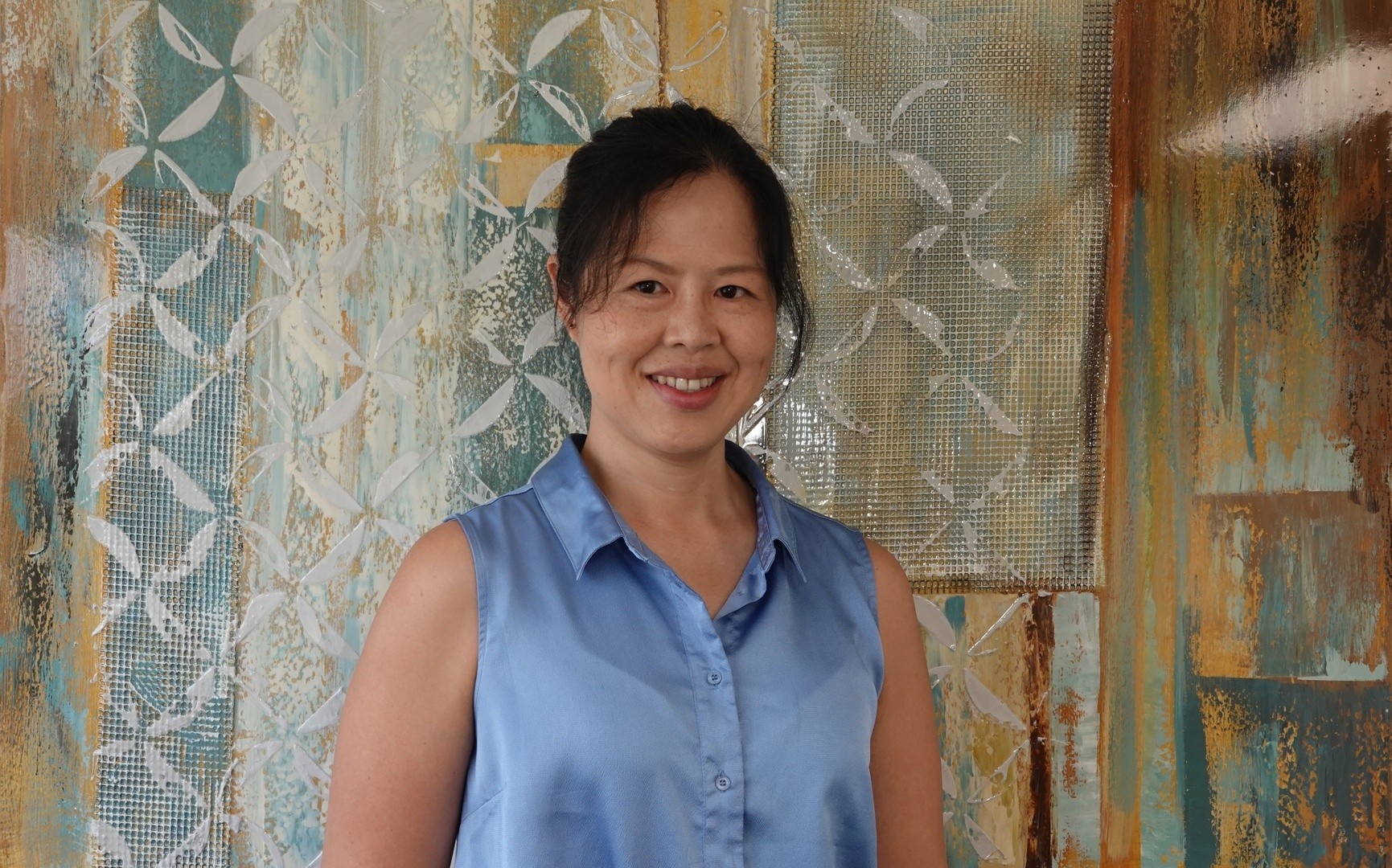
PhD; MAPS; MEdPsych; BSc (Hons) Psych Registered Psychologist (PSY0001267892); BCBA
Dr. Cindy Hsiang (PhD) is the Principal Psychologist at Aspiration Education and Development Clinic. With a rich academic and clinical foundation, Cindy holds a PhD in Psychology, a Master’s degree in Educational Psychology, and a Bachelor of Science (Honours) in Psychology. She is also a Psychology Board-approved supervisor, dedicated to mentoring the next generation of practitioners.
Central to Cindy’s practice is a client-centred, systemic approach. As a credentialed Multigenerational Family Therapist, she looks beyond individual behaviour to understand how broader family and relationship dynamics shape individual well-being. This systemic perspective is uniquely complemented by her expertise as a Board Certified Behaviour Analyst (BCBA), which allows her to evaluate how immediate environmental factors impact an individual’s development.
Committed to evidence-based, neuro-affirming care, Cindy has completed advanced P-ESDM training at the MIND Institute (University of California, Davis) and is an Early Start Denver Model (ESDM) certified therapist. By integrating family systems, behavioural science, and developmental frameworks, Cindy provides holistic, compassionate support adapted to the unique ecosystem of every individual and family she serves.