
Parenting on the Spectrum: Navigating the Journey with Your Autistic Child

“My analogy is that society sees us as Windows 1 operating systems, but actually we are Windows 10 operating systems on an Apple computer! I have seen for myself that in the right situations, even the most high support needs autistics can thrive!” said Jon, an autistic adolescent.
Recent research, like Lee et al. (2023), highlights the crucial role of emotional safety within the home environment for autistic children. While fostering a warm and loving atmosphere is essential for their growth, the studies also emphasise the need for balanced parenting. This means striking the right balance between offering support and guidance while also respecting their need for autonomy. It acknowledges that children on the spectrum may require individualised space, but finding the right amount can be a delicate yet crucial part of the parenting journey.
Happiness and success may look different to what parents initially expected, and autistic children may also not take a “normal” path through life. Viewing your autistic child through a “neurotypical” lens and guiding them towards a “neurotypical” ideal may lead to frustration for both parent and child.
Three Principles of Parenting on the Spectrum
- Embrace acceptance and understanding: Gaining knowledge about the spectrum, different presentations of autism, and your child’s unique needs. Observe your child, reflect your observation, “Does this behaviour result from my child struggling with communication and concentration?”
- Create a safe and supportive home environment: Minimise sensory overload, establish consistent routines, and offer emotional validation. The first two methods are likely to help your child with a level head. Validating your child’s emotion shows them your empathy and compassion, and unconditional love.
- Foster communication and connections: Learn about different communication methods, Use clear and concise language, practice active listening. Most deep human communication and connections are non-verbal, through play, touch, and feel. Be creative and actively find ways to connect with your child, try to learn your child’s way of communicating and connecting.
Reference:
Lee, J.S., Whittingham, K., Olson, R., & Mitchell, A. (2023). “Their Happiness, Not Neurotypical Success”: Autistic Adults Reflect on the Parenting of Autistic Children. Journal of autism and developmental disorders. https://doi.org/10.1007/s10803-023-06188-z
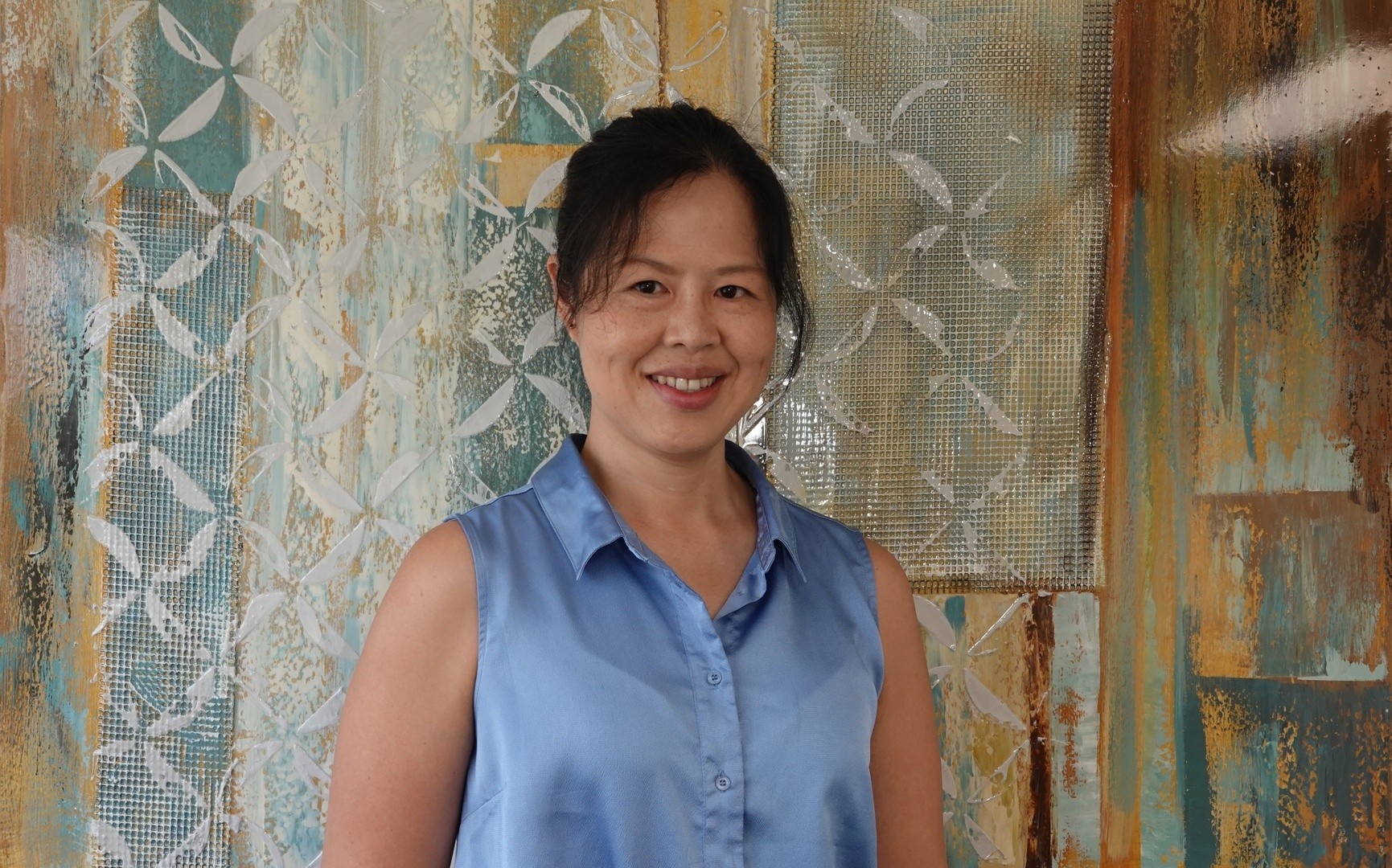
PhD; MAPS; MEdPsych; BSc (Hons) Psych Registered Psychologist (PSY0001267892); BCBA
Dr. Cindy Hsiang (PhD) is the Principal Psychologist at Aspiration Education and Development Clinic. With a rich academic and clinical foundation, Cindy holds a PhD in Psychology, a Master’s degree in Educational Psychology, and a Bachelor of Science (Honours) in Psychology. She is also a Psychology Board-approved supervisor, dedicated to mentoring the next generation of practitioners.
Central to Cindy’s practice is a client-centred, systemic approach. As a credentialed Multigenerational Family Therapist, she looks beyond individual behaviour to understand how broader family and relationship dynamics shape individual well-being. This systemic perspective is uniquely complemented by her expertise as a Board Certified Behaviour Analyst (BCBA), which allows her to evaluate how immediate environmental factors impact an individual’s development.
Committed to evidence-based, neuro-affirming care, Cindy has completed advanced P-ESDM training at the MIND Institute (University of California, Davis) and is an Early Start Denver Model (ESDM) certified therapist. By integrating family systems, behavioural science, and developmental frameworks, Cindy provides holistic, compassionate support adapted to the unique ecosystem of every individual and family she serves.